Turkey has long been one of Europe and the Middle East’s best value travel destinations — and in 2026, that reputation holds. Whether you’re backpacking on a shoestring or splurging on boutique hotels and private tours, Turkey delivers exceptional value at every budget level.
Here’s a realistic, experience-based breakdown of what a trip to Turkey actually costs.
The Quick Answer: Daily Budget by Travel Style
| Travel Style | Daily Budget (USD) |
|---|---|
| Budget traveler | $40 – $60 |
| Mid-range traveler | $80 – $150 |
| Comfort / luxury | $200 – $400+ |
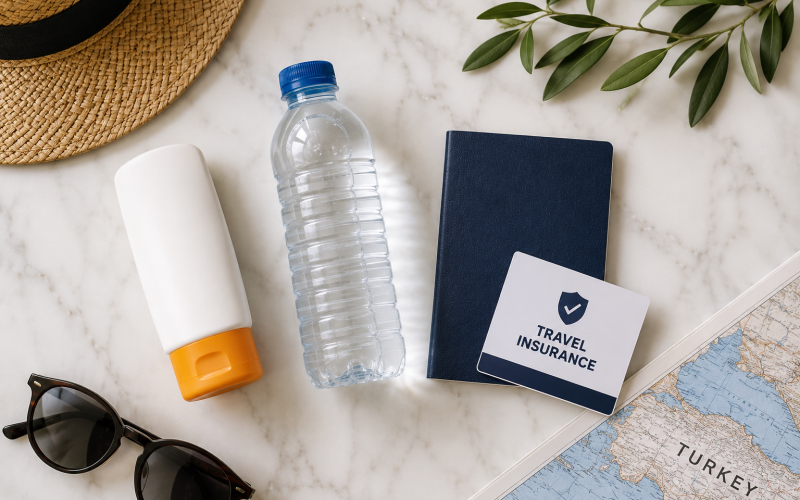
These figures cover accommodation, food, transport, and activities. They exclude international flights and travel insurance.
Accommodation Costs in Turkey
Turkey offers one of the widest ranges of accommodation options of any destination in its region — from $15 hostel dorms to $500+ per night boutique cave hotels in Cappadocia.
Budget: Hostel dorms in Istanbul run $15–25 per night. Basic private rooms in guesthouses start from $30–50.
Mid-range: A comfortable 3-4 star hotel in Istanbul, Bodrum, or Antalya typically costs $70–150 per night. You get a lot for your money at this level — good locations, breakfast included, and decent amenities.
Boutique and luxury: Cappadocia’s famous cave hotels range from $150 to $500+ per night. Comparable properties in Alaçatı, Bodrum, and along the Aegean coast offer similar experiences. Turkish luxury is genuinely world-class — and significantly cheaper than equivalent properties in Western Europe.
Food Costs in Turkey
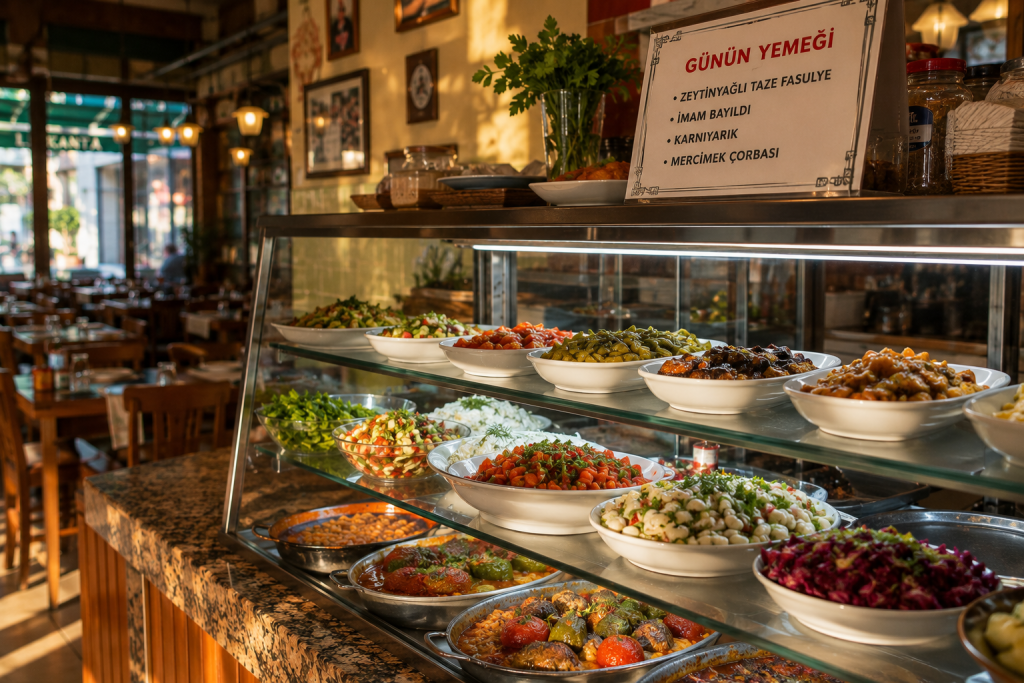
Food in Turkey is one of the great travel bargains on the planet. Eating well is cheap almost everywhere.
Street food and local restaurants (lokanta): A full meal at a traditional Turkish lokanta — soup, main course, bread, and a drink — costs $5–10. Street food like simit, döner, or lahmacun runs $1–4.
Mid-range restaurants: A sit-down dinner at a good restaurant in Istanbul’s Beyoğlu or Karaköy neighborhoods costs $15–30 per person including drinks.
Upscale dining: Istanbul and coastal resort areas have world-class restaurants. Expect $50–100+ per person at the top end — still significantly cheaper than comparable dining in London, Paris, or New York.
Practical tip: Breakfast in Turkey is legendary. Many hotels and guesthouses include a full Turkish breakfast — olives, cheeses, eggs, tomatoes, cucumbers, fresh bread — which can easily keep you going until mid-afternoon and reduces your daily food spend considerably.
Transport Costs in Turkey
Getting around Turkey is affordable and straightforward.
Domestic flights: Turkey has excellent domestic flight coverage. Istanbul to Cappadocia, Bodrum, Antalya, or Izmir typically costs $30–80 one way if booked in advance. Turkish Airlines, Pegasus, and AnadoluJet connect most major destinations.
Intercity buses: Turkey’s intercity bus network is extensive, comfortable, and cheap. Istanbul to Cappadocia by overnight bus costs around $20–35 — and the buses are genuinely good, with onboard service and reclining seats.
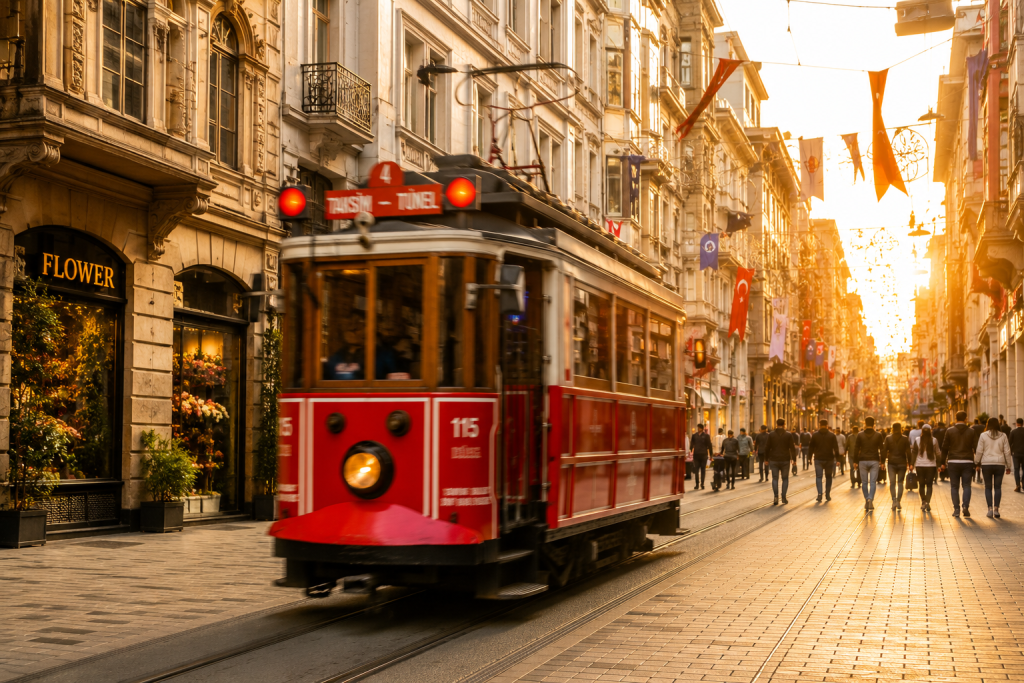
City transport: Istanbul’s metro, tram, and ferry network is efficient and very affordable. A single journey costs around $0.50–1 using the city’s Istanbulkart. Taxis are inexpensive by Western standards — always use the meter or a ride-hailing app like BiTaksi.
Car rental: Renting a car is an excellent option for exploring the Aegean and Mediterranean coasts. Expect $30–60 per day for a basic vehicle, with fuel costs adding to that.
Activities and Entrance Fees
Turkey’s major attractions are well-priced for international visitors.
| Attraction | Approximate Cost |
|---|---|
| Hagia Sophia (tourist access) | €25 |
| Topkapi Palace + Harem | ~€65 (2,750 TL) |
| Kariye Mosque | €20 |
| Turkish & Islamic Arts Museum | €17 |
| Ephesus archaeological site | Museum Pass Aegean ile (€95, 40+ sit) |
| Pamukkale & Hierapolis | Museum Pass Aegean ile (€95, 40+ sit) |
| Hot air balloon in Cappadocia | $150–250 |
| Turkish hammam experience | $30–80 |
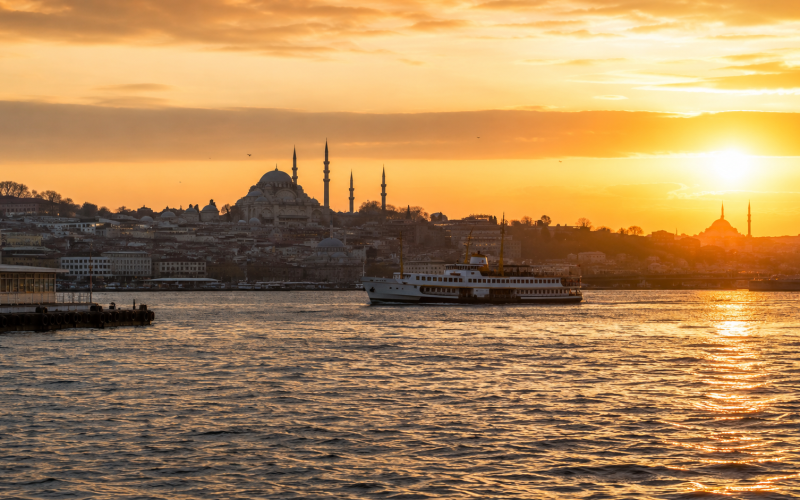
| Bosphorus boat tour | $15–25 |
The hot air balloon ride in Cappadocia is the one genuine splurge most travelers consider non-negotiable — and at $150–250, it remains far cheaper than comparable experiences elsewhere in the world.

Money and Payments in Turkey
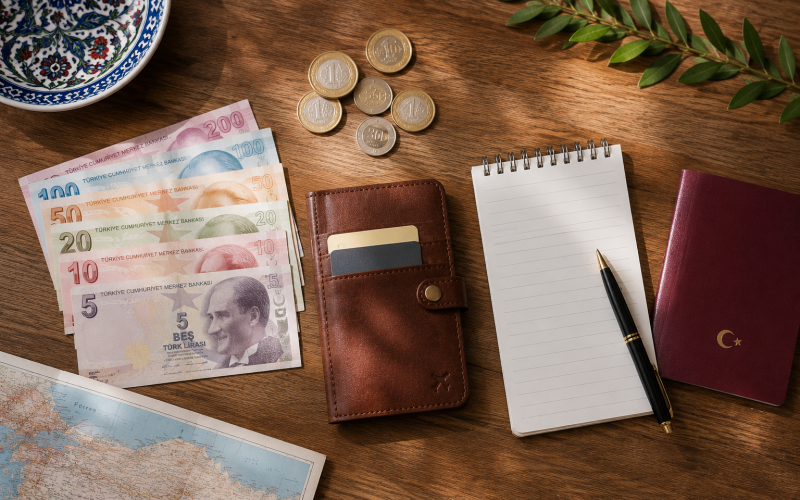
Currency: Turkish Lira (TRY). Exchange rates fluctuate — check current rates before travel.
Cash vs card: Major hotels, restaurants, and shops in tourist areas accept credit and debit cards. Having some cash is useful for markets, smaller restaurants, and transport. ATMs are widely available throughout Turkey.
Airport exchange: Avoid exchanging currency at the airport if possible — rates are significantly worse than city center exchange offices (döviz bürosu), which offer excellent rates with no commission.
Tipping: Not mandatory but appreciated. 10% at restaurants is standard in tourist areas. Rounding up taxi fares is common practice.
Is Turkey Still Good Value in 2026?
Yes — emphatically. Despite global inflation and the Turkish Lira’s fluctuations over recent years, Turkey remains exceptional value for international visitors paying in USD, EUR, or GBP. Your money goes further here than in almost any comparable European or Mediterranean destination.
For the combination of history, cuisine, landscapes, and hospitality that Turkey offers, the price-to-experience ratio is genuinely hard to beat anywhere in the world.
⚠️ Legal Notice: Prices listed are approximate and based on available data at time of writing. Costs may vary depending on season, exchange rates, and individual travel choices. Always verify current prices before booking.