Turkey works in every season. That’s not a travel brochure line — it’s a genuine structural advantage the country has over most Mediterranean destinations. The question isn’t whether Turkey is good in summer or winter. It’s which version of Turkey suits you best.
Here’s the honest comparison.
The Case for Summer: Why Most First-Timers Choose It
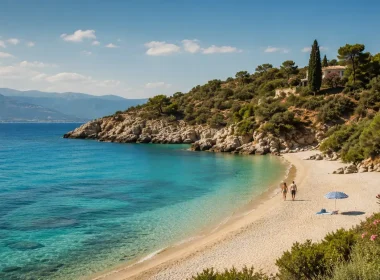
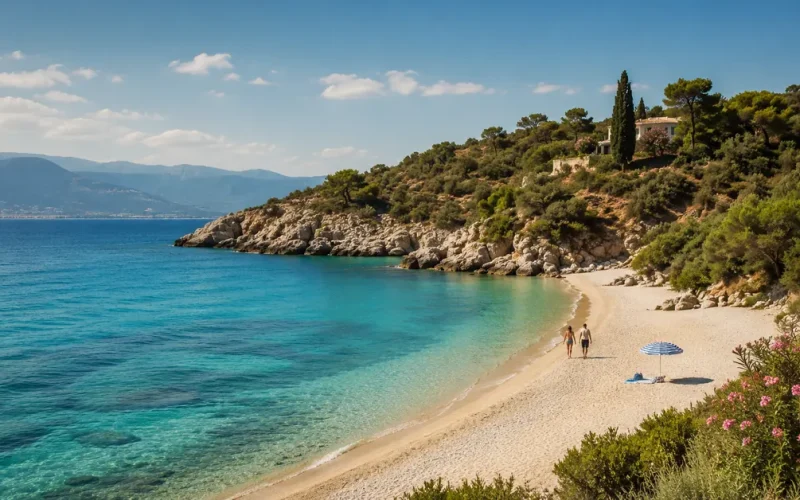
Summer in Turkey — broadly June through September — is peak season for good reason. The weather is reliable, the coast is at its best, and the entire tourism infrastructure is operating at full capacity. Beaches from Antalya to Bodrum are warm, calm, and genuinely beautiful. Istanbul is lively around the clock. Cappadocia balloon flights run almost every morning.
The trade-off is volume. July and August are busy. Popular sites in Istanbul can feel crowded by mid-morning. Accommodation prices peak. Coastal resorts fill up weeks in advance. If you’re visiting in high summer, book early and adjust your expectations for the most famous attractions.
Heat is also a real consideration. Istanbul in August sits comfortably in the low-to-mid 30s Celsius. Cappadocia, at altitude, is more forgiving. The south coast — Antalya, Bodrum, Marmaris — can push into the high 30s and occasionally beyond. It’s manageable, but it shapes your day. Sightseeing works best in the early morning and late afternoon. Midday is for shade, water, and cold drinks.
The Case for Winter: What You Actually Gain
Winter in Turkey — December through February — is a different trip entirely, and for some travelers, a better one.
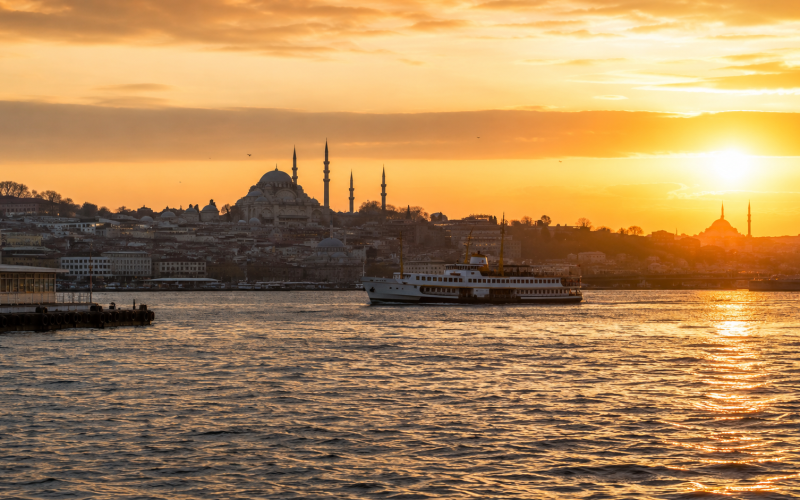
Istanbul in winter is Istanbul without the crowd filter. The Hagia Sophia, Topkapi Palace, and the Grand Bazaar are all significantly quieter. Accommodation prices drop noticeably — sometimes by thirty to fifty percent compared to summer rates. The city’s tea houses, covered markets, and restaurants feel more local, more lived-in, more authentic.
The weather is mild by Northern European standards. Istanbul averages around 8–10°C in January — cold enough for a coat, warm enough for full days of walking. Rain is possible, particularly in December and January, but rarely persistent enough to derail plans. Snow is occasional and brief, and when it falls on the mosques and the Bosphorus, it is genuinely spectacular.
What you lose in winter is the coast. The Aegean and Mediterranean beaches are off-season from November through April. Cappadocia is still beautiful — arguably more so, with snow on the fairy chimneys — but balloon flights are weather-dependent and run less reliably. Some smaller hotels and restaurants in resort areas close entirely.
Season by Season: A Practical Breakdown
Spring (April–May) is arguably the best time for a first visit. Temperatures are pleasant across the country — mid-teens to low twenties. Crowds are building but haven’t peaked. Prices are reasonable. The landscape is green, wildflowers cover the Aegean hillsides, and the coast is warming up but not yet overrun. Cappadocia in April or May is exceptional.
Summer (June–September) is peak season — best for the coast and for travelers who want guaranteed sunshine and full infrastructure. Accept the crowds and the heat, book well in advance, and you’ll have a brilliant trip.
Autumn (October–November) mirrors spring in many ways — quieter, cheaper, and with softer light. October is particularly good: the sea is still warm from summer, crowds have thinned, and Istanbul feels like itself again. One of the most underrated times to visit.
Winter (December–February) suits city-focused trips. Istanbul, Ankara, and Cappadocia all work well. The coast and Aegean islands are largely off-season.
For current forecasts, the Turkish Meteorological Service provides reliable regional data.
Detailed weather forecasts and historical averages for each region are available at Weather2Travel.
Which Season Is Right for Your Trip Type?
Beach holiday: June–September, no debate. The coast exists for summer.
City and culture: Spring or autumn, comfortably. Winter works well if you don’t mind a coat.
Cappadocia specifically: April–May or September–October for the best combination of reliable balloon flights, manageable temperatures, and reasonable crowds.
Budget-conscious travel: Winter or shoulder season (April–May, October). You’ll spend meaningfully less on accommodation and flights.
Photography and atmosphere: Autumn for golden light. Winter for dramatic, uncrowded scenes. Spring for green landscapes and wildflowers.
The Honest Verdict
If this is your first trip and you have flexibility, visit in April, May, or October. You get the best of both worlds — good weather, reasonable prices, manageable crowds, and a Turkey that still feels like it belongs to the people who live there, not just the tourists passing through.
If your dates are fixed in July or August, don’t worry. Turkey handles summer well. Just book early, start your days early, and pace yourself through the heat.
If you’re considering winter and wondering whether it’s worth it — yes, particularly for Istanbul. The city in December or January, with fewer visitors and a slower pace, is one of the most underrated city-break experiences in Europe.
Turkey works in every season. The question is just which version you want to meet first.
⚠️ Legal Note: Weather patterns, pricing, and seasonal schedules may vary. Always check current conditions and book in advance during peak periods.