There’s a moment almost every first-time traveler to Turkey experiences before booking flights.
You open the weather app. Then another tab. Then another article. One says summer. Another says spring. Someone on Reddit insists October is “the only correct answer.” Meanwhile, photos of snowy Cappadocia, turquoise beaches, crowded Istanbul ferries, and sunlit bazaars make the country feel impossible to decode in a single season.
And honestly, that confusion makes sense.
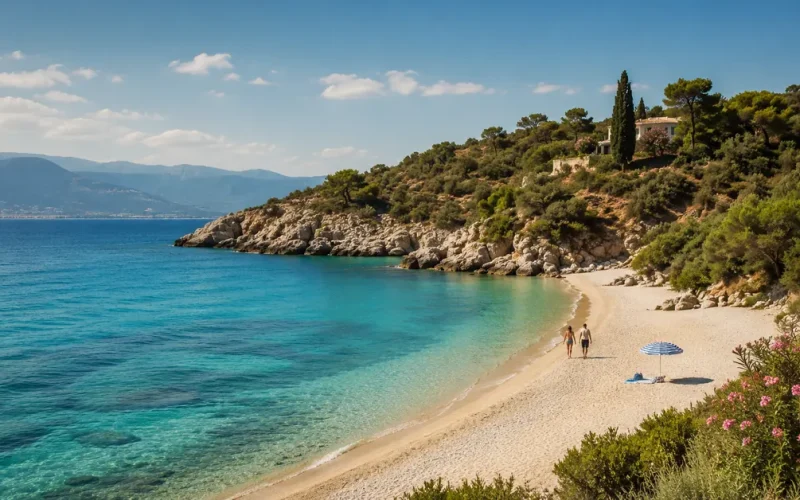
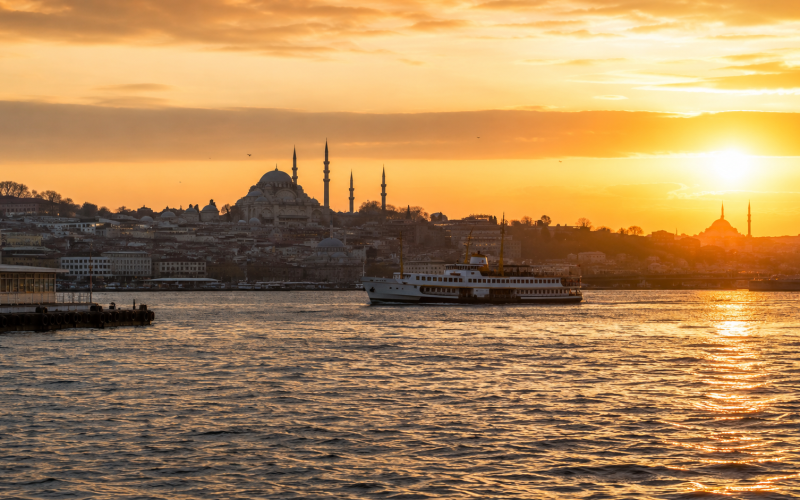
Turkey doesn’t feel like one destination. It feels like several countries stitched together by tea glasses, ferry horns, ancient ruins, and the smell of grilled fish drifting through city streets at sunset.
The best time to visit Turkey depends less on the country itself and more on the version of Turkey you want to experience.
Do you imagine long dinners by the Aegean coast? Quiet mornings inside Istanbul’s historic neighborhoods? Hot air balloons floating above snowy valleys? Fresh figs at local markets? Late-night summer energy along the Mediterranean?
Each month changes the rhythm of the country completely.
Here’s what Turkey actually feels like throughout the year — and how to choose the season that fits your trip best.
Quick Reference: Turkey at a Glance
| Month | Weather | Crowds | Best For |
|---|---|---|---|
| January–February | Cool–Cold | Very Low | Budget travel, atmosphere |
| March–April | Mild | Low–Medium | City travel, hiking |
| May–June | Warm | Medium | Everything |
| July–August | Hot | High | Beaches, nightlife |
| September–October | Warm | Medium | Best all-round |
| November–December | Cool | Low | Culture, food, photography |
January & February

Quiet Cities, Snowy Landscapes, and a Different Kind of Beauty
Istanbul averages 3–9°C. Cappadocia can drop below freezing. Antalya stays mild at 8–15°C.
Winter surprises many first-time visitors.
People often imagine Turkey as permanently sunny and beach-focused, but January and February reveal a softer, slower side of the country. Istanbul becomes atmospheric in winter. Ferries cut through misty mornings. Cafés feel warmer. Historic streets become quieter and more cinematic.
You’ll probably need a proper coat, especially in Istanbul, Ankara, or Cappadocia. But winter also brings some of Turkey’s most memorable moments.
Cappadocia under snow feels almost unreal. The rock valleys look sculpted from ice and ash, while boutique cave hotels become incredibly cozy after dark. If the weather cooperates, seeing hot air balloons rise into a pale winter sky is unforgettable.
This is also one of the best seasons for travelers who prefer fewer crowds and lower hotel prices.
Along the Mediterranean coast, places like Antalya remain much calmer than summer. You may not swim, but you can comfortably explore ancient ruins, seaside towns, and old harbors without heat or crowds shaping your day.
Local insight: Turkish winter culture revolves around slowing down. Long breakfasts, endless tea, roasted chestnuts on street corners, and evenings spent indoors become part of the experience itself.
March & April
The Country Starts Waking Up
Istanbul averages 7–16°C. Cappadocia 4–14°C. Aegean coast 12–20°C.
Spring is when Turkey begins stretching back into the sunlight.
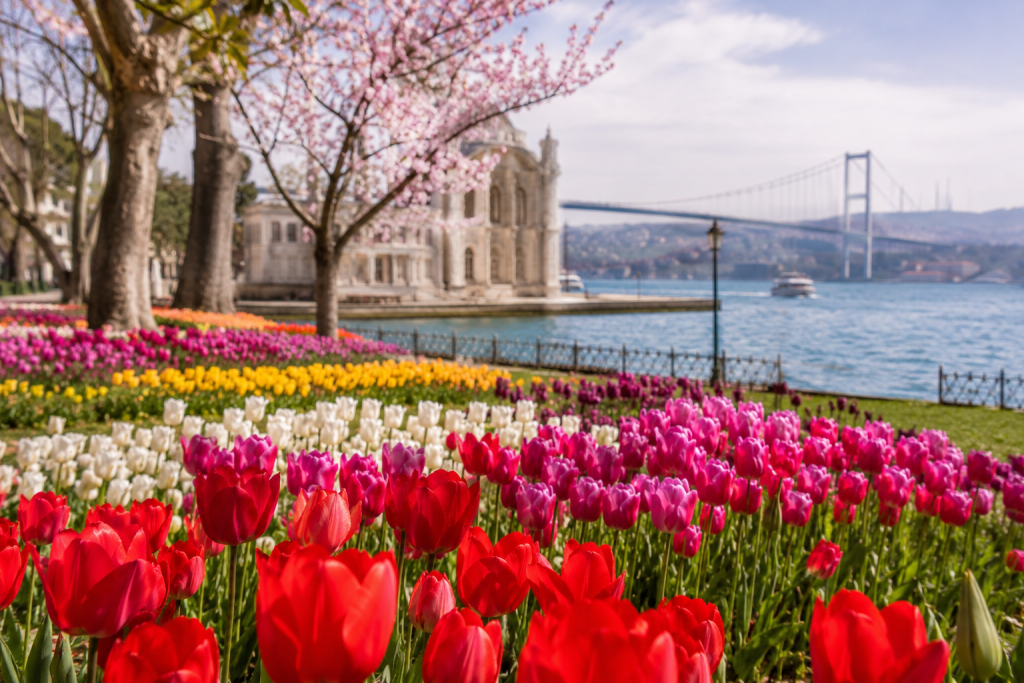
Trees bloom across Istanbul’s parks. Outdoor cafés fill again. Coastal towns slowly reopen for the season. The air feels lighter almost everywhere.
For many travelers, this is the sweet spot.
Temperatures are comfortable, prices are usually more reasonable than peak summer, and major attractions feel alive without becoming exhausting.
April is especially beautiful in Istanbul. The city’s famous tulip season transforms parks and waterfront areas with color. You’ll notice locals spending longer evenings outside again, especially along the Bosphorus.
Cappadocia is excellent during spring too. Hiking valleys becomes far more comfortable compared to the intense summer heat. The weather can still shift quickly though, especially in March, so layering clothes is important.
Meanwhile, along the Aegean coast, destinations like Bodrum and Alaçatı begin waking up before the heavier summer crowds arrive. Restaurants reopen their terraces. Boutique hotels feel relaxed rather than packed.
First-time visitor tip: Turkey’s spring weather changes by region. Istanbul may feel cool and rainy while Antalya feels almost like early summer on the same day. Internal flights are common and affordable, so many travelers combine very different climates within one trip.
May & June
Long Evenings and the Beginning of Summer Energy
Istanbul averages 16–26°C. Aegean coast 18–30°C. Mediterranean coast 20–32°C.
If you ask experienced travelers when Turkey feels most balanced, many quietly point toward May and early June.
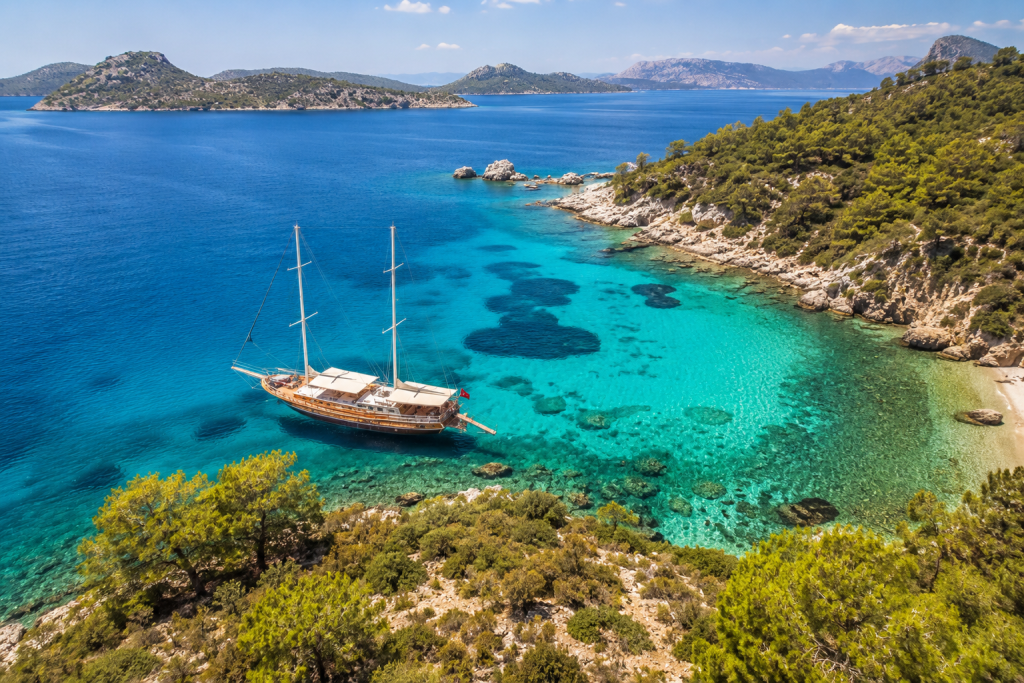
The weather is warm but usually not overwhelming. The sea starts becoming swimmable along southern coasts. Days are long. Markets overflow with seasonal produce. Outdoor dining returns fully.
And perhaps most importantly, the country still feels relatively breathable before peak summer arrives.
Istanbul during May can feel almost addictive. People sit by the Bosphorus until late at night. Ferries become part transportation, part scenic ritual. Neighborhoods like Karaköy, Moda, and Cihangir feel energetic without becoming chaotic.
Along the coast, this is one of the best times to experience places like Kaş, Bodrum, Fethiye, or Datça. The atmosphere feels lively but not yet saturated.
You’ll notice something else too: Turkish summer culture slowly starts unfolding outdoors. Dinner shifts later. Streets stay active longer. Tea gardens fill up after sunset. Families walk along waterfront promenades late into the evening.
It becomes easy to understand why people return year after year.
July & August
Mediterranean Summer at Full Volume
Istanbul averages 23–29°C. Aegean coast 25–35°C. Mediterranean coast 26–36°C.
Summer in Turkey is vibrant, social, loud, energetic, and deeply alive.
It’s also hot.
For beach-focused travelers, this is exactly the season they’re looking for. Coastal towns along the Aegean and Mediterranean reach peak atmosphere. Boats leave harbors all day long. Beach clubs stay open late. Restaurants buzz until midnight.
Destinations like Bodrum, Çeşme, Marmaris, and Antalya become intensely social during these months. Turkish travelers themselves are also on holiday, which gives coastal towns a more local energy alongside international tourism.
The sea is warm. Nights are long. Music drifts through open-air restaurants. Fresh seafood becomes part of daily life.
But summer requires realistic expectations too. Midday heat can become intense, especially inland. Popular attractions are busier. Prices rise in high-demand areas.
The key is adjusting your rhythm the way locals do. Early mornings matter. Long lunches become slower. Afternoons are often spent near water or in shaded cafés. Evenings become the main event.
And honestly, Turkey is built for evenings.
Practical tip: If you visit during July or August, booking hotels, domestic flights, and beach destinations early makes a huge difference. Turkey remains affordable compared to many Mediterranean countries, but popular areas fill quickly in peak season.
September & October
The Golden Window
Istanbul averages 17–26°C. Aegean coast 18–28°C. Mediterranean coast 20–30°C. Sea temperature remains warm through October.
There’s a reason so many returning visitors quietly choose autumn.
September and October combine the best parts of summer with a calmer atmosphere. The sea stays warm. The harshest heat fades. Crowds soften. Cities become more comfortable to walk. Coastal towns remain active but more relaxed.
This is arguably Turkey’s most universally enjoyable season.
You can spend mornings exploring Istanbul comfortably, then fly south for beach days without feeling trapped by extreme heat.
Cappadocia also becomes especially beautiful in autumn. The golden tones across the valleys feel softer and more dramatic at the same time.
Food changes subtly too. Pomegranate juice stands reappear. Fig season peaks. Fish restaurants become busier again after the hottest months. Markets begin filling with autumn produce.
One thing first-time visitors often don’t expect is how emotionally atmospheric Turkey feels in autumn. Light becomes warmer. Outdoor dining continues comfortably. Even large cities feel slightly softer around the edges.
October, especially, offers an incredible balance between cultural travel and coastal weather.
November & December
Calm Travel and Local Rhythm
Istanbul averages 7–14°C. Cappadocia 1–8°C. Antalya stays mild at 10–18°C.
Late autumn and early winter bring a more local feeling back to Turkey.
Beach towns quiet down significantly, but cities like Istanbul become deeply atmospheric again. Rainy evenings, glowing bakery windows, ferry rides through gray skies, and the smell of coffee and simit create a very different kind of travel experience.
This season works especially well for travelers interested in food culture, museums, neighborhoods, slower travel, photography, history, and café culture.
Turkey doesn’t shut down in winter. It simply changes personality.
December also brings festive energy in larger cities, especially in shopping streets, restaurants, and hotel areas. While Turkey is not a Christmas-focused destination in the European sense, major cities still feel lively and welcoming during the holiday season.
Local insight: Turkish hospitality becomes more noticeable during colder months. Small gestures, extra tea, slower conversations, and warm indoor spaces become part of everyday travel moments.
So, When Is the Best Time to Visit Turkey?
The honest answer is: it depends on the experience you want.
If you want beaches, nightlife, and Mediterranean energy: May to September works beautifully.
If you want comfortable weather and balanced travel: April, May, September, and October are ideal.
If you want quieter cities, cozy atmosphere, and lower prices: Winter can be surprisingly rewarding.
If you want a little bit of everything: Late spring and early autumn are probably Turkey at its most versatile.
Common First-Time Visitor Mistakes
Trying to see too much. Turkey is larger than many travelers expect. Combining Istanbul, Cappadocia, Antalya, and the Aegean coast in one short trip often becomes exhausting. It’s better to experience fewer places more deeply.
Underestimating regional differences. The weather in Istanbul and Antalya can feel completely different on the same day. Always check specific regional forecasts instead of “Turkey weather.”
Forgetting domestic flights exist. Turkey’s domestic flight network is excellent and often surprisingly affordable. Flying between regions saves enormous amounts of time.
Planning every hour. Turkey rewards slower travel. Some of the best moments happen unexpectedly — a long breakfast by the sea, a ferry ride at sunset, a conversation inside a tiny tea shop. Leave room for those moments.
Final Note
The best time to visit Turkey is rarely just about temperature charts or tourist seasons.
It’s about the version of the country you want to meet.
Maybe it’s Istanbul in spring, when ferry decks fill with sunlight and the city begins spilling back outdoors. Maybe it’s a warm September evening on the Aegean coast, with grilled fish arriving at the table while the harbor slowly glows blue. Maybe it’s Cappadocia in winter, quiet and snow-covered before sunrise.
Turkey has a way of feeling both enormous and personal at the same time.
You can spend the morning inside a Roman ruin, the afternoon drinking tea beside the Bosphorus, and the evening hearing the call to prayer echo across a city skyline older than most countries.
And for many first-time visitors, the biggest surprise isn’t how beautiful Turkey is.
It’s how quickly it starts feeling familiar.
⚠️ Legal Notice: Weather data and temperature ranges are approximate averages and vary by year and microclimate. Always check current regional forecasts before travel. This article is for general guidance only.