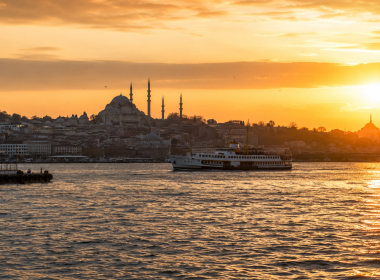
Istanbul is one of those cities that arrives before you do. You’ve seen the photographs — the skyline across the water, the Grand Bazaar corridors, the ferry crossing the Bosphorus at dusk. And then you get there and realize the photographs didn’t prepare you at all.
The city is bigger, louder, more layered, and more alive than most first-time visitors expect. It is also, once you find your footing, remarkably navigable and deeply rewarding. The key is knowing where to focus — because Istanbul can easily absorb a week, and most first-timers only have two or three days.
Here is what to see, what to skip, and what no one thinks to tell you before you arrive.
Your First Impression of Istanbul: What to Expect
Istanbul is a city of 15 million people spread across two continents. The European side — where most tourist sites are concentrated — is itself divided into distinct neighborhoods that feel almost like separate cities: Sultanahmet with its ancient monuments, Beyoğlu with its modern energy, Karaköy with its waterfront cafés, Beşiktaş with its local life.
Your first hours will likely be disorienting in the best possible way. The scale is enormous. The sounds are layered — traffic, ferries, market sellers, the occasional call to prayer echoing across rooftops. The smells change every fifty meters. And the food starts immediately.
Give yourself half a day to simply walk and absorb before you try to see anything. Istanbul rewards the traveler who slows down.
The Must-Sees: What Every First-Timer Should Actually Do
Hagia Sophia is non-negotiable. One of the most significant buildings in human history — constructed in 537 AD, served as a cathedral, a mosque, a museum, and a mosque again — it is genuinely unlike anything else in the world. Go early, before the crowds build. Entry is free for the main structure; the upper gallery requires a separate ticket. Budget at least ninety minutes.
Topkapi Palace is where the Ottoman Empire was governed for four centuries. The Harem section is the most fascinating part and requires a separate ticket — book in advance if visiting in high season. The Treasury section houses objects that defy easy description. Allow three to four hours for the full complex.
The Grand Bazaar is worth visiting for the experience rather than the shopping, particularly on a first trip. Over 4,000 shops across 61 covered streets — the scale is extraordinary. Go mid-morning on a weekday if possible. Don’t feel obligated to buy anything. Do feel obligated to have a tea somewhere inside.
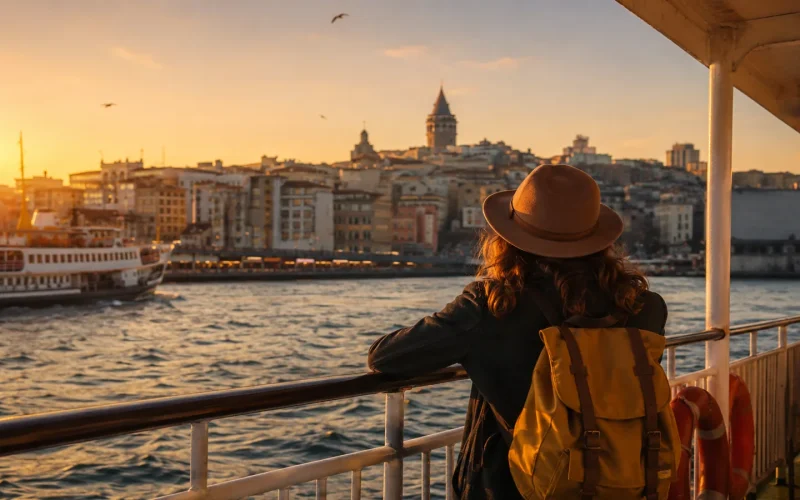
The Bosphorus ferry is one of Istanbul’s great pleasures and one of its best values. The public ferry from Eminönü to Kadıköy costs almost nothing and gives you a thirty-minute crossing with views of the city skyline that no tour boat can match. Do it at least once, ideally late afternoon.
Spice Bazaar — smaller, less overwhelming than the Grand Bazaar, and genuinely atmospheric. The surrounding streets are worth exploring for ten minutes in any direction.
What to Skip on Your First Visit
The Princes’ Islands are beautiful but time-consuming. The ferry takes 90 minutes each way and the islands themselves, while charming, require a full day to do properly. Save them for a second visit or a longer trip.
Overpriced rooftop bars in Sultanahmet with “skyline views” are generally not worth the markup, particularly for first-timers who haven’t yet developed a reference point for what they’re looking at. The views from the ferry are better and free.
Guided walking tours in the Grand Bazaar are almost never worth the money. The Bazaar is best absorbed at your own pace, without someone else’s agenda.
The Blue Mosque — officially the Sultan Ahmed Mosque — is architecturally beautiful from the outside and worth a look from Sultanahmet Square. Entry is free. However, it is often partially closed for prayer times, and the interior, while impressive, is less spectacular than Hagia Sophia. Many first-timers feel they need to see both. You do not. If time is short, Hagia Sophia wins.
What Nobody Tells You Before You Arrive
Istanbul is hilly. Significantly, unexpectedly, sometimes brutally hilly. Sultanahmet itself is manageable, but moving between neighborhoods — particularly around Beyoğlu and Galata — involves steep climbs that catch many visitors off guard. Comfortable shoes are not a suggestion.
The city runs on tea. Every shop, every negotiation, every conversation of any length begins with tea. Accepting is polite and often leads somewhere interesting. Declining is fine. But accepting is better.
Tourist menus exist and are fine — but the best food in Istanbul is almost never on a tourist menu. The city has an extraordinary local food culture: simit carts, midye dolma vendors, small neighborhood börekçis, fish sandwich boats at Eminönü. Eat where locals eat, even if finding those places requires walking an extra ten minutes.
The Istanbulkart — the city’s rechargeable transport card — is available at any metro station and works on the metro, tram, ferry, and bus. Buy one on arrival. Single-journey tickets cost significantly more and the card pays for itself within half a day.
Kadıköy, on the Asian side, is one of Istanbul’s most rewarding neighborhoods and is visited by a fraction of the tourists who stick to the European side. The ferry crossing is part of the appeal. The food market, the streets around Moda, and the general energy of a neighborhood that belongs to Istanbulites rather than tourists makes it worth half a day on any Istanbul itinerary.
A Practical First-Timer’s Istanbul Itinerary (3 Days)
Day 1 — Sultanahmet: Hagia Sophia early morning, Topkapi Palace mid-morning to afternoon, Spice Bazaar late afternoon, Eminönü waterfront at sunset, dinner in Karaköy.
Day 2 — Beyoğlu and the Bosphorus: Galata area mid-morning, İstiklal Caddesi, afternoon Bosphorus ferry to Kadıköy, explore Kadıköy market and Moda neighborhood, return by ferry at dusk.
Day 3 — Grand Bazaar and neighborhood exploration: Grand Bazaar mid-morning, lunch in the surrounding streets, afternoon in Beşiktaş or Balık Pazarı, slow evening along the waterfront.
Getting Around Istanbul: The Basics
The T1 tram line connects Sultanahmet, Karaköy, and Beyoğlu efficiently and is the most useful single line for first-time visitors. The M2 metro connects Taksim to the airport via the northern part of the city. Ferries run frequently between the European and Asian sides from multiple docks.
Taxis are available everywhere. Use the meter — always — or use BiTaksi or Uber, both of which operate in Istanbul and remove the negotiation entirely.
Walking is often the best option within neighborhoods. Between neighborhoods, use the transport network rather than taxis where possible. Istanbul traffic is real and can turn a ten-minute drive into forty-five minutes without warning.
Istanbul does not need to be conquered on a first visit. It needs to be tasted. Three days gives you enough to understand what kind of city it is — and to start planning when you’ll come back for more.
⚠️ Legal Note: Opening hours, entry fees, and site access may change. Always verify current details before visiting.